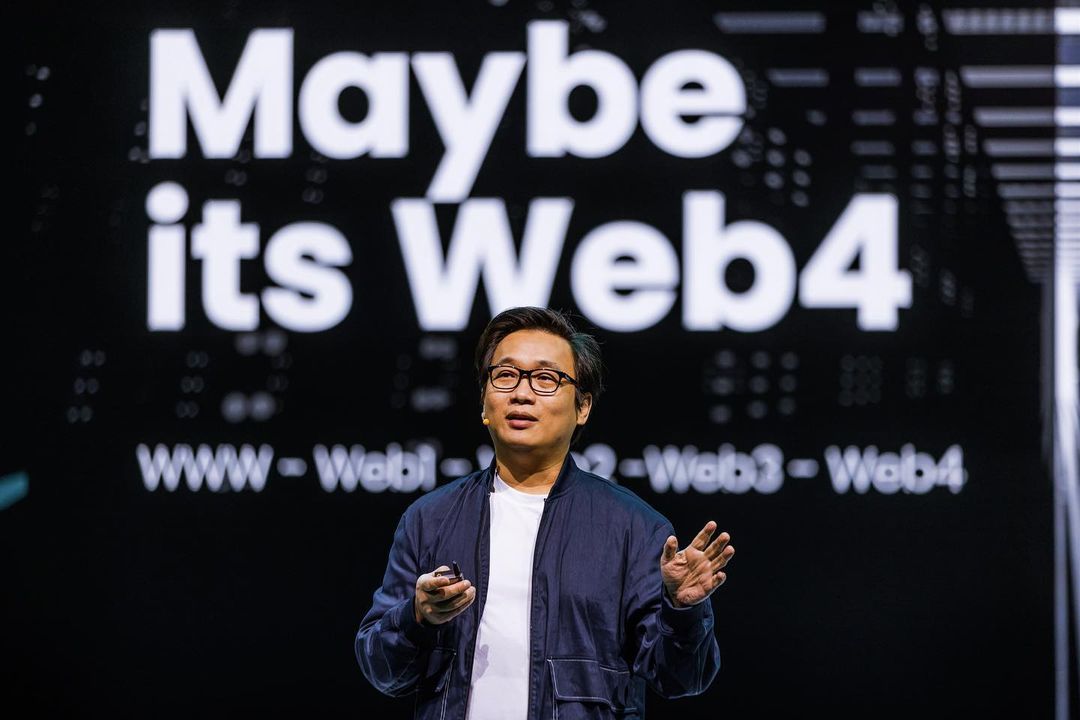

At the recent Financial Crime Summit at Marina Bay Sands in Singapore, best-selling author and early crypto advocate Anndy Lian delivered a compelling closing keynote interview. With an extensive background advising governments and venture funds, Lian shared insights on the convergence of AI, blockchain, and decentralized technologies—and the unique threats they pose to financial crime compliance.
Here are the key takeaways from his forward-looking discussion.
The Double-Edged Sword of Tokenization
Lian noted that traditional financial markets are moving rapidly toward tokenization. While he isn’t a staunch advocate for tokenizing every single financial product, he recognizes the driver: expanded distribution and 24/7 market accessibility. However, this creates an immediate compliance challenge. If the market operates 24/7, “you have to fight the crime 24/7,” Lian warned.
To combat this, he advises banks exploring private blockchains to combine everything onto a single graph. By doing so, transactions can be easily traced and tracked. He emphasized that blockchain’s greatest strength is its near-perfect audit trails, ensuring that both human transactions and AI agent activities remain accountable.
The Agility Gap and the Rise of Deepfakes
One of the most pressing issues today is the widening gap between fast-moving bad actors and slow-moving legacy institutions. Lian pointed to recent global IT vulnerabilities (like the PHP incident) to show how governments and large institutions are often too slow to patch, leaving them vulnerable.
He shared a chilling personal anecdote to highlight modern scammers’ sophistication: he was recently targeted by a fake Bloomberg interviewer on Zoom. The scammers used deepfake technology and smooth conversational tactics to try and trick him into exposing his laptop and private keys. As scammers become more innovative, Lian stressed that traditional guardrails are no longer enough.
Autonomous Agents and the Need for “Technological Peer Review”
As banks begin deploying AI and autonomous agents to handle processes and customer service, Lian raised a critical question: What level of permission should these agents have? He noted that many banking infrastructures are still “work in progress” and refuse to state exactly how far their agents can go.
To combat AI-driven threats and vulnerabilities, Lian advocates for “technological peer review.” Much like the open-source crypto community that bands together after a major hack, financial institutions and even governments must sit down and exchange notes. “It’s not about copying; it’s about keeping the industry clean and making sure it is workable,” he stated, urging competitors to review each other’s models.
Embracing the Future: Web4
Despite the risks, Lian remains optimistic. He believes mainstream media focuses too heavily on AI’s negative aspects. His advice to industry leaders is simple: embrace the technology, deploy your own agents, and understand their limitations.
This philosophy is central to his upcoming book, Web4: The Age of Autonomous Intelligence. Lian coined the term “Web4” in 2021 to describe a safer environment for financial institutions—one that leverages AI technology on top of the blockchain.
As the summit concluded, Lian’s message was clear: AI and blockchain will converge. By integrating these technologies, fostering cross-industry collaboration, and maintaining robust audit trails, the financial sector can turn these emerging risks into its greatest opportunities.